


The Number People Want Before They Start
The cost to import a car from Japan is the most common question we get before a client commits to an import: ‘What’s the total going to be on top of the purchase price?
There’s no single answer, because the costs depend on vehicle value, origin port, compliance pathway, state of registration, and vehicle age. But there is a reliable framework for modeling it – and most buyers are surprised by at least one component they hadn’t considered.
This guide covers every cost you’ll encounter importing a used vehicle from Japan to Australia, with real figures for each.
The Full Cost Stack
1. Purchase Price (the starting point, not the total)
Everything below is in addition to what you pay for the vehicle at auction or private sale. The purchase price is your base; the costs below determine the final landed cost.
Auction purchases typically add a buyer’s premium of 3–5% of the hammer price, plus domestic transport to the export port. Factor these in when calculating what you’ve actually paid for the vehicle before it leaves Japan.
2. International Freight
Getting the vehicle from Japan to an Australian port is the first major variable.
| Method | Typical Cost (Japan to Melbourne) | Notes |
| RoRo (Roll-on Roll-off) | $2,500–$3,000 | Vehicle driven on/off the ship. Standard for most imports |
| Container (shared / LCL) | $2,500–$3,500 | Shared container with other cargo. More protection |
| Container (dedicated 20ft) | $3,000–$4,500 | Full container for one vehicle. Maximum protection |
RoRo is the default for most passenger vehicle imports – it’s cost-effective and well-established. Container shipping is preferred for high-value, low-production, or especially clean vehicles where the additional protection is worth the cost.
Freight rates fluctuate with shipping market conditions. Get a quote from a freight forwarder before modelling your costs.
Destination port matters: Melbourne is Australia’s primary vehicle import port and typically has the shortest transit times from Japan (2–4 weeks). Sydney, Brisbane, Fremantle, and Adelaide are alternatives with similar freight costs.
3. Marine Insurance
Most freight forwarders and importers recommend marine insurance covering the vehicle during transit. Policies typically run at:
- 1.5–2% of the declared vehicle value
For a $30,000 vehicle: approximately $450–$600. Skipping this is not recommended – any transit damage becomes your problem, and the shipping carrier’s liability is typically limited.
4. Import Duty
Australia levies a 5% customs duty on the FOB (Free on Board) value of imported vehicles. FOB value is the purchase price at the Japanese port – it excludes freight and insurance.
Exceptions:
- Free Trade Agreement (FTA) rates – JAEPA: Under the Japan-Australia Economic Partnership Agreement (JAEPA), vehicles manufactured in Japan qualify for 0% duty – not a reduced rate, a full exemption. This covers the vast majority of JDM imports and applies regardless of the vehicle’s age. Proof of origin – a Statement on Origin from the exporter or a JAEPA Certificate of Origin – must be supplied with the customs declaration for this to apply.
- Vehicles 30 years or older: Vehicles of an age of 30 years or more qualify for a separate customs duty exemption under Schedule 4 of the Customs Tariff Act 1995. This is distinct from JAEPA and is based purely on the vehicle’s manufacture date. Note this only applies to genuinely 30+ year old vehicles – a vehicle imported under the 25-year pathway (25–29 years old) doesn’t yet qualify for this specific exemption, though it will typically still be duty-free under JAEPA if Japanese-built.
- Without proof of origin, or vehicles not built in Japan: the standard 5% duty applies. Confirm your specific vehicle’s eligibility with a licensed customs broker before finalising your budget.
Example calculation on a $30,000 FOB Japanese-built vehicle with proof of origin:
- Duty: $0 (JAEPA)
Example calculation on a $30,000 FOB vehicle without proof of origin, or not manufactured in Japan:
- Duty: $30,000 × 5% = $1,500
5. GST
GST of 10% applies to the combined value of: vehicle value + insurance + freight + duty. This is called the “customs value” or taxable importation amount.
Example (continuing above):
- Vehicle: $30,000
- Freight: $2,000
- Total for GST purposes: $35,000
- GST: $3,500
Note: GST applies to the full taxable importation value regardless of vehicle age – the duty exemption for 30-year-old vehicles doesn’t remove GST.
6. ROVER Application (Vehicle Import Approval)
The Vehicle Import Approval application through the ROVER portal carries a government fee. This is a relatively minor but mandatory cost.
The fee varies by application type. Check the current fee schedule on the Department of Infrastructure website before submitting.
7. Customs Broker Fees
Unless you’re handling the import yourself (which requires experience and registration), a licensed customs broker manages:
- Lodging the customs entry
- Calculating and paying duty and GST on your behalf
- Coordinating with Border Force
- Arranging port release
Typical customs broker fees: $250–$500, depending on complexity and the broker used.
8. Port and Quarantine Fees
Before the vehicle leaves the port, it passes through DAFF (Department of Agriculture, Fisheries and Forestry) biosecurity inspection.
| Cost Component | |
| Port handling / storage | $300–$800 (increases with days in storage) |
| Biosecurity inspection | $200–$500 |
| Cleaning (if required) | $500–$2,000+ depending on contamination level |
Vehicles with soil, plant matter, or organic contamination are cleaned at the importer’s cost before release. A clean vehicle minimises this risk.
9. Domestic Transport
Getting the vehicle from the port to the compliance workshop (and later to you) involves domestic transport costs. These vary by distance but typically run:
- Port to Melbourne compliance workshop: $300–$600 (within metro area, often included by the importer)
- Interstate delivery: $600–$2,000+ depending on distance
10. Compliance (Registered Automotive Workshop)
This is the largest variable cost and the one that requires the most specific scoping.
Compliance cost depends on:
- Whether a model report exists and what work it specifies
- The vehicle’s condition and any modifications
- The compliance pathway (SEVS, 25-year Concessional RAV, personal import)
Typical compliance cost ranges:
| Pathway / Vehicle Type | Typical Range |
| 25-year Concessional RAV (clean, unmodified) | $1,500–$3,000 |
| SEVS with existing model report | $2,000–$4,000+ |
| Modified vehicles (additional work required) | $4,000–$10,000+ |
| Motorcycles | $1,000–$2,500 |
These are indicative ranges. Get a written quote from a Registered Automotive Workshop for your specific vehicle before committing to an import.
11. Roadworthy Certificate (RWC)
Required before registration in every state. Cost varies by state, vehicle type, and condition:
- Victoria: $250–$350 typical for a passenger vehicle in good condition
- Additional rectification: If the vehicle fails RWC, any required repairs are additional cost
12. Registration
State registration fees apply as with any vehicle:
- Stamp duty on the imported vehicle value (see below)
- CTP insurance (compulsory third party / greenslip)
- Registration fee (state-specific)
Stamp duty is a significant cost for higher-value vehicles. Rates vary by state – see our detailed guide on stamp duty and taxes on imported cars.
Total Cost Model: Two Examples
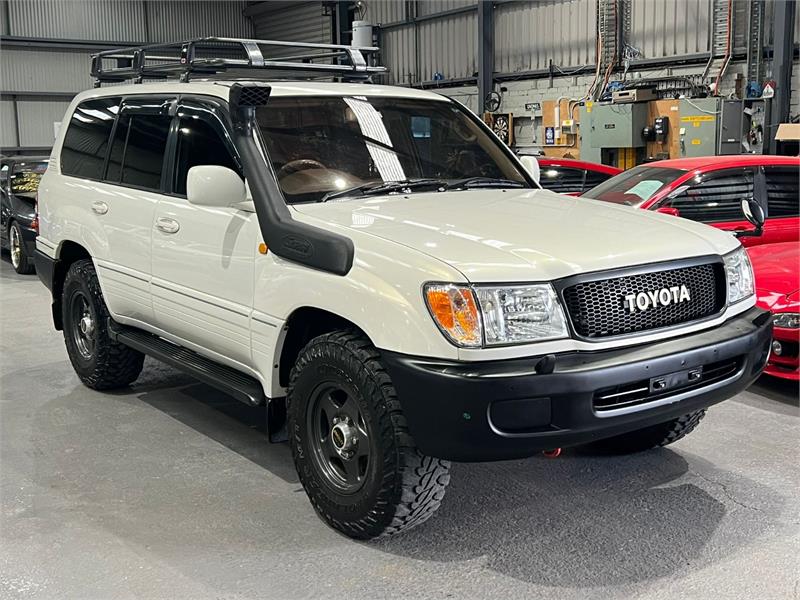
Example A: 2001 Toyota Land Cruiser 100 Series (25-Year Pathway)
- Purchase price: $20,000 AUD FOB
- RoRo freight (Japan → Melbourne): $2,500
- Marine insurance (1.5%): $300
- Import duty: $0 (JAEPA – Japan-built, proof of origin required)
- GST (10% of $22,800): $2,280
- Customs broker: $700
- Port and quarantine: $600
- Compliance (25-year RAV): $2,000
- RWC: $250
- VIC registration: $800
- Stamp duty: ~$800
Estimated total on-road: ~$30,230 (on a $20,000 purchase)
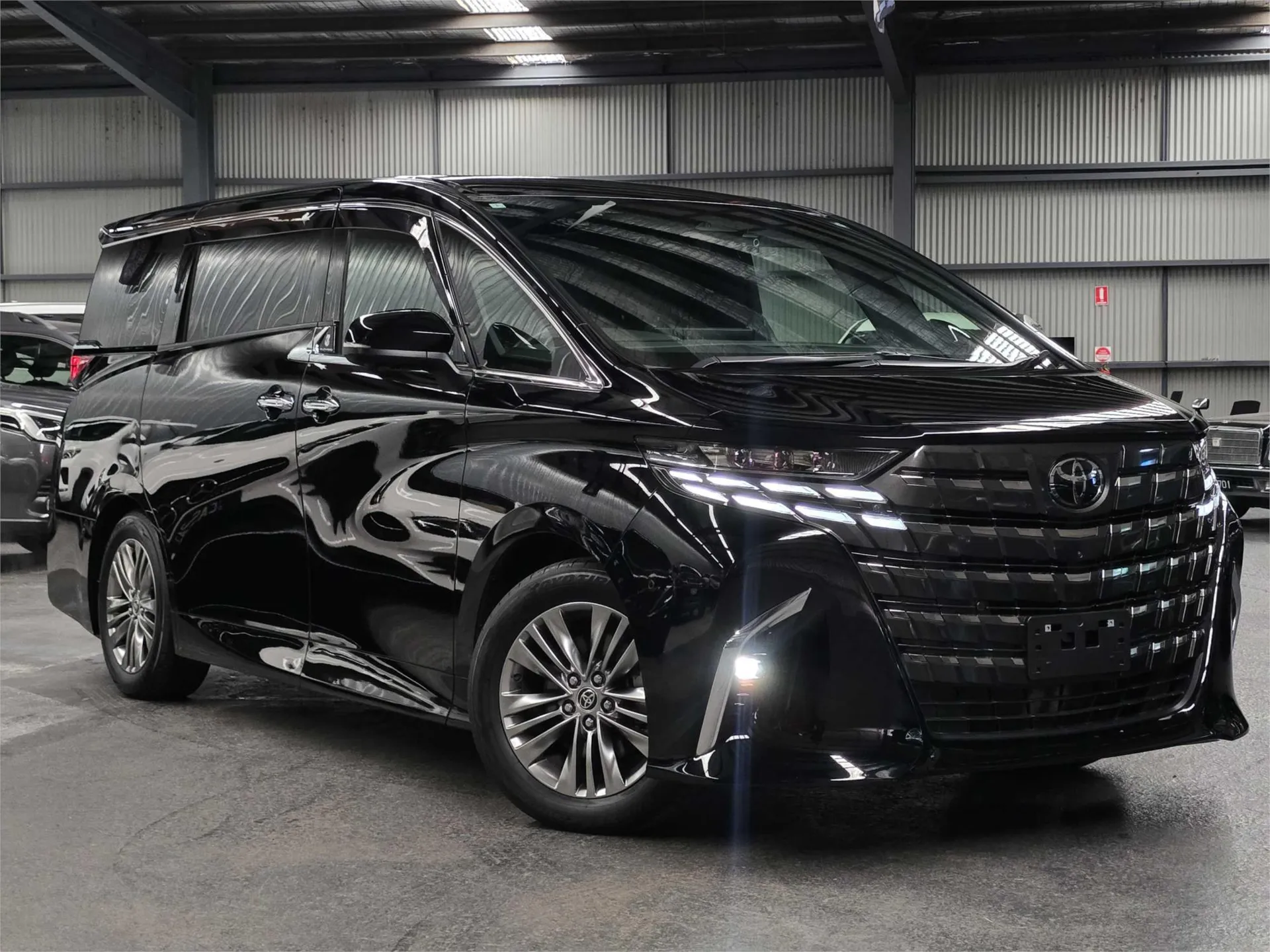
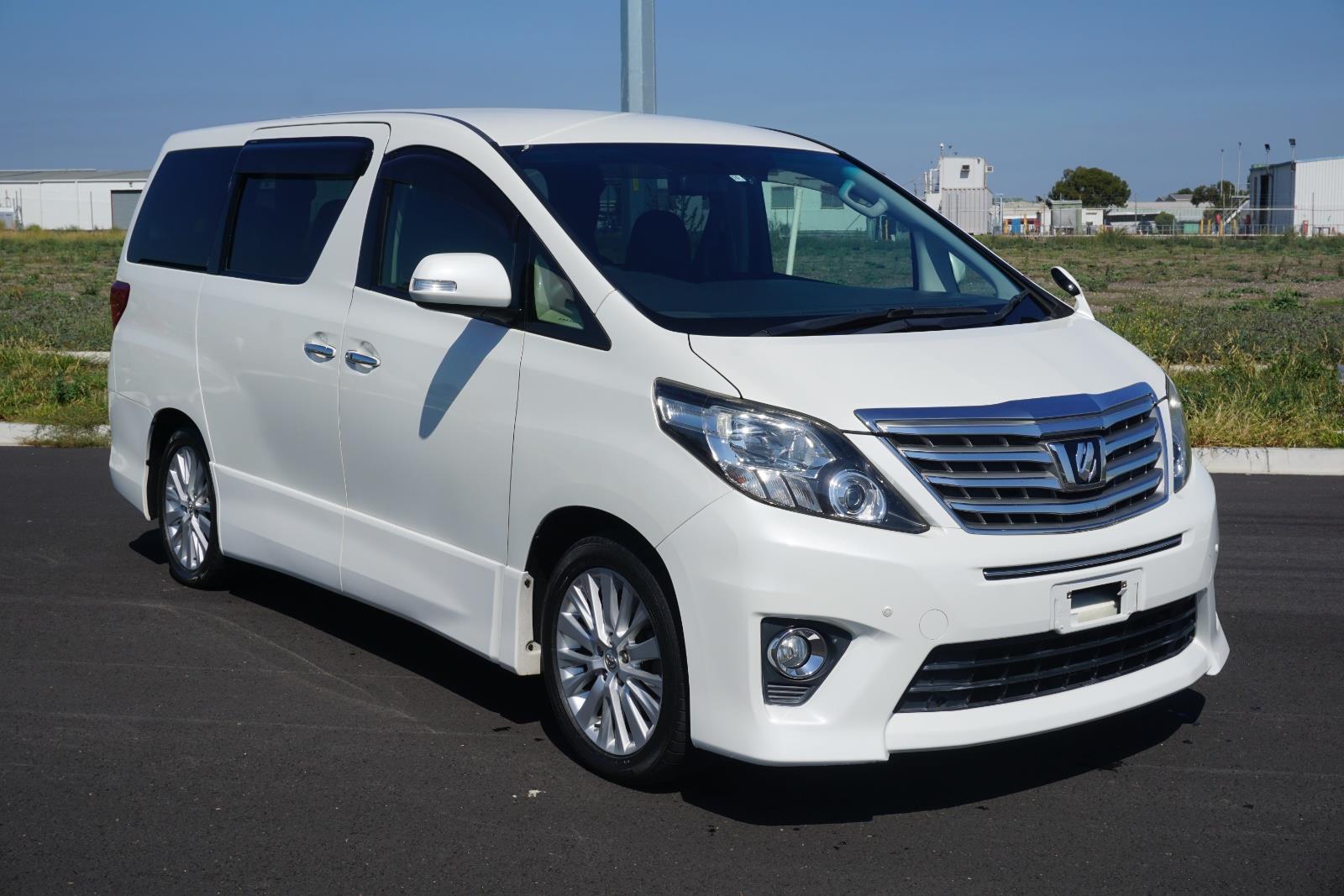
Example B: 2015 Toyota Alphard (SEVS Pathway)
- Purchase price: $55,000 AUD FOB
- RoRo freight (Japan → Melbourne): $2,500
- Marine insurance (1.5%): $825
- Import duty: $0 (JAEPA – Japan-built, proof of origin required)
- GST (10% of $58,325): $5,833
- Customs broker: $1,000
- Port and quarantine: $600
- Compliance (SEVS): $2,500
- RWC: $350
- VIC registration: $900
- Stamp duty: ~$2,100
Estimated total on-road: ~$71,608 (on a $55,000 purchase)
Frequently Asked Questions
What is the cheapest way to import a car from Japan?
The lowest-cost pathway is typically the 25-year Concessional RAV route for vehicles over 30 years old, which eliminates import duty and often has simpler compliance requirements. Choosing RoRo shipping over container also reduces freight costs.
Do I pay duty and GST on the shipping cost?
GST applies to the total value including freight and insurance – so yes, the freight cost is included in the GST calculation. Duty is calculated on FOB value only (the purchase price at the Japanese port, not including freight).
Can I bring a car in without paying GST?
No. GST on taxable importations applies to all vehicles regardless of age or pathway. The 30-year duty exemption doesn’t remove GST.
Is compliance included in the freight quote?
No. Freight forwarders handle shipping, quarantine, and customs. Compliance is a separate scope performed by a Registered Automotive Workshop after the vehicle arrives.
What happens if the vehicle fails RWC?
Rectification work is required before the certificate is issued and registration can proceed. Costs vary widely depending on what’s found. Older vehicles imported via the 25-year pathway are more likely to require rectification work.
Can I import a vehicle and sell it without registering it?
Generally, once a vehicle has been complied and issued a compliance plate, it can be sold. Unregistered vehicles can be sold subject to the buyer taking responsibility for registration. LMCT licensing requirements apply if you’re doing this commercially – see our guide on LMCT licensing for importers.
How accurate are these cost estimates?
They’re indicative – sufficient for budgeting purposes but not for final modeling. Get specific quotes from a freight forwarder, customs broker, and compliance workshop before committing to a purchase.
Getting an Accurate Cost Model for Your Vehicle
The figures above give you a framework. For a specific vehicle – with its exact purchase price, build year, compliance pathway, and destination state – the actual costs will differ.
If you’re assessing a specific vehicle and want to model the total landed cost before committing, contact the Garage Apex team.
We work through this calculation regularly and can give you a realistic picture quickly.
*Garage Apex – 54 Miller Street, Epping VIC 3076 | 1300 112 220 | VicRoads approved, ISO9001 certified*