

The Change You May Have Already Noticed
If you’ve been browsing Japanese vehicles on auction sites or talking to importers, you may have noticed something: the build range for many SEVS model reports now ends at February 2025. Vehicles built from March 2025 onwards are listed as ineligible or require specific verification before purchase.
This isn’t arbitrary. It’s the direct result of ADR 98/00 – a new Australian Design Rule that came into effect on 1 March 2025, mandating Autonomous Emergency Braking (AEB) systems on all newly built vehicles.
What Is ADR 98/00?
ADR 98/00 is an Australian Design Rule requiring that Autonomous Emergency Braking (AEB) be fitted as standard on all new passenger and light commercial vehicles sold or built in Australia from 1 March 2025.
AEB is a safety system that automatically applies the brakes when it detects an imminent collision and the driver hasn’t responded. It must be active within the vehicle speed range of at least 10 km/h to 60 km/h under all load conditions.
The ADR applies to:
- MA, MB, and MC category vehicles – passenger cars, SUVs, and people movers
- NA category vehicles – light commercial vehicles (utes, vans) with a GVM under 3.5 tonnes
In practice, this covers nearly all passenger vehicles, SUVs, people movers, and light vans that are commonly imported under SEVS.
Why Does This Create a Problem for SEVS Imports?
The SEVS scheme allows importation of vehicles that weren’t officially sold in Australia, provided they meet applicable Australian Design Rules. This is where ADR 98/00 creates the issue.
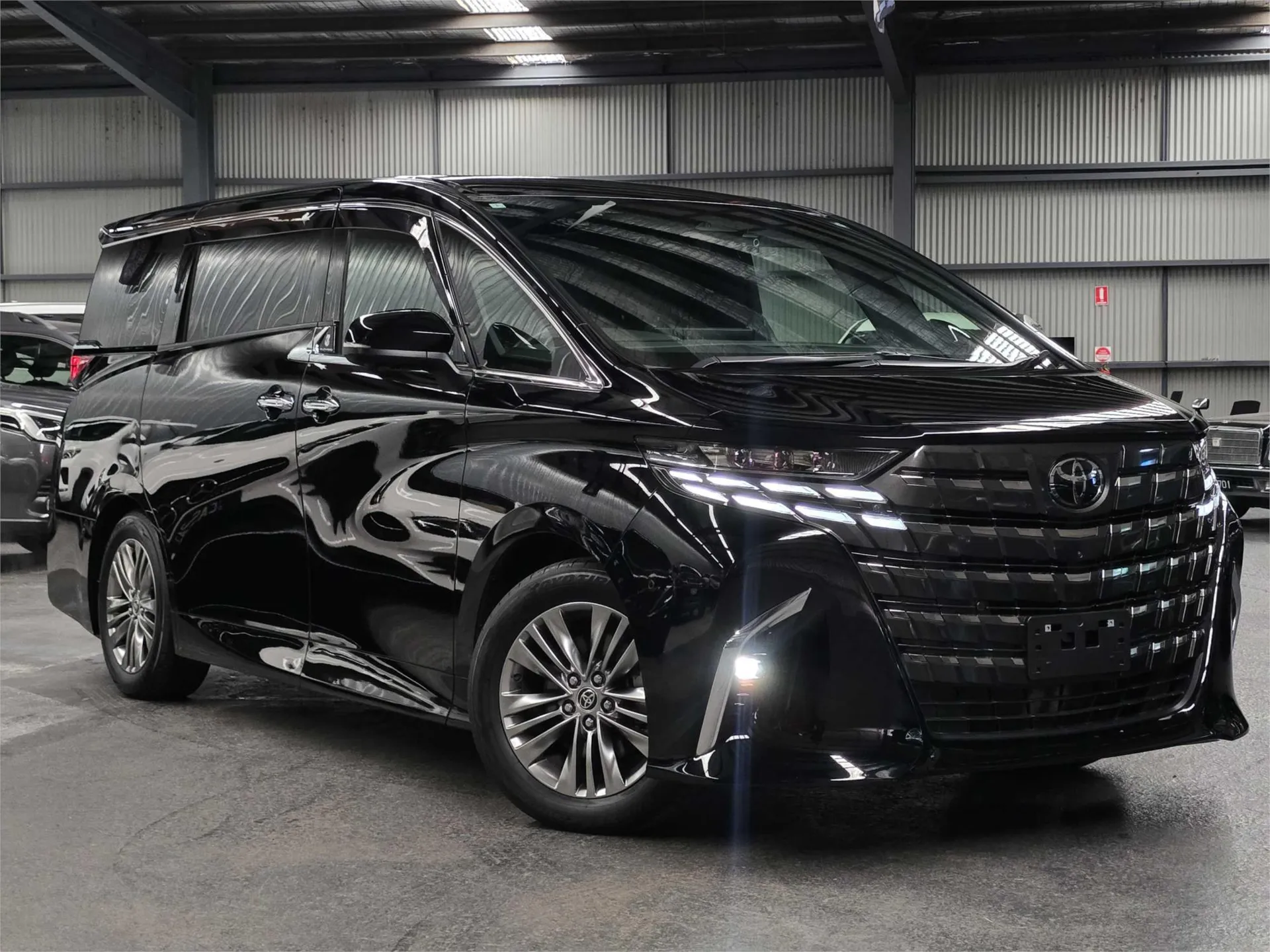
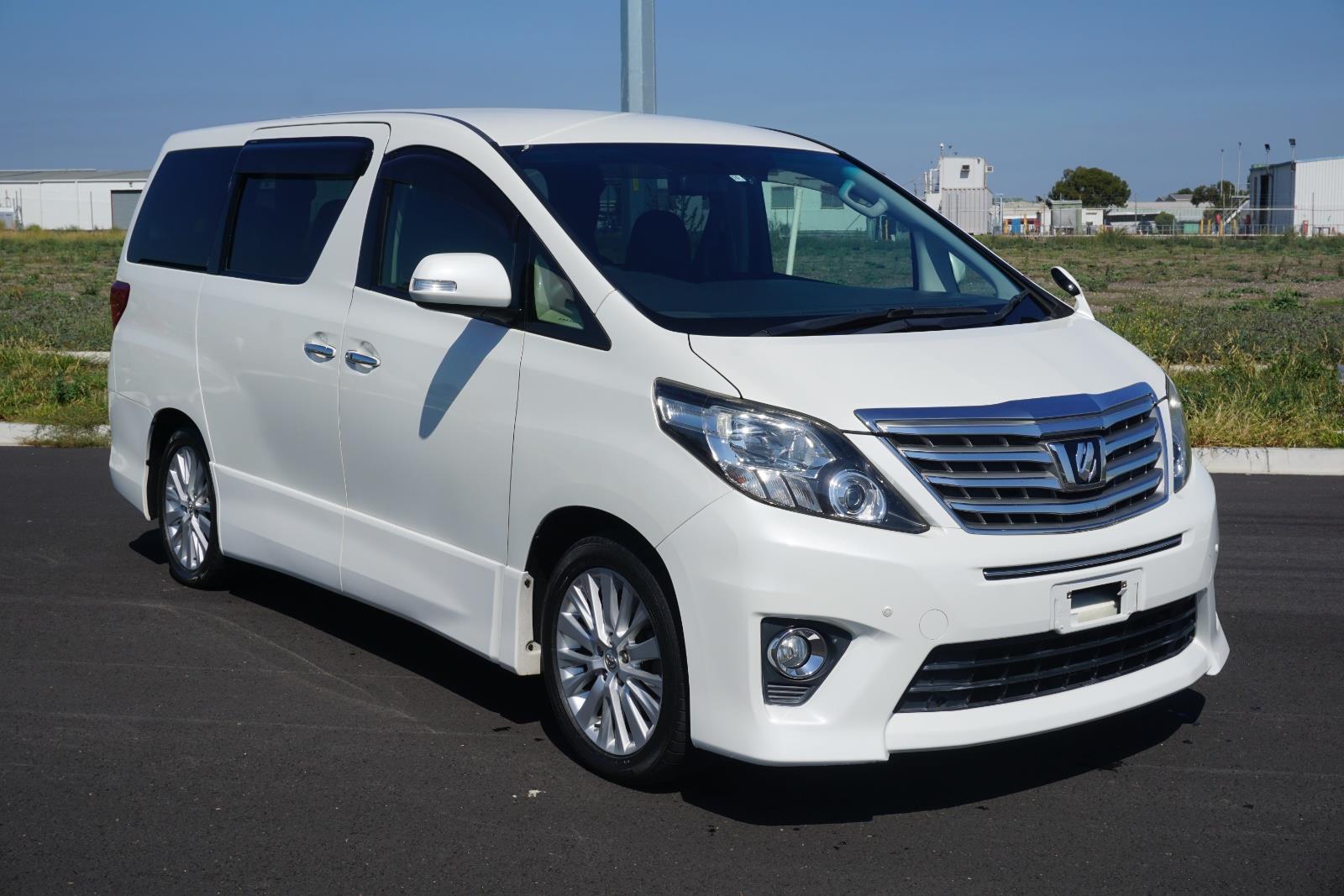
Most Japanese domestic market vehicles that have been eligible for SEVS import – HiAce variants, Alphard, Delica, and many others – were not designed with AEB as standard equipment. Japan has AEB requirements, but the specific systems fitted to JDM vehicles may not meet the technical specifications of ADR 98/00, and in some cases the vehicles simply don’t have AEB at all.
For vehicles built from March 2025 onwards:
- If the vehicle doesn’t have AEB fitted as standard, it does not meet ADR 98/00
- A vehicle that doesn’t meet ADR 98/00 cannot be complied under SEVS for Australian registration as a passenger vehicle
- Engineering an AEB system into a vehicle post-production is complex, expensive, and in most cases not practically achievable for a compliance workshop
The result: many SEVS model reports have been updated to cap their eligible build range at February 2025. Vehicles built in March 2025 or later cannot be imported under those reports.
How Build Ranges Have Changed
Prior to ADR 98/00 taking effect, many SEVS model reports had build ranges listed as “to current” – meaning any vehicle of that model type, regardless of how recently it was built, could be imported under the report.
Since March 2025, those open-ended build ranges have been closed. Most now show a cutoff of 02/2025 (February 2025) – the last build month before the ADR requirement took effect.
This means:
- A 2022-build HiAce with an applicable SEVS model report: importable
- A 2025-build HiAce (built March 2025 or later): likely not importable under the same report
Our practical advice: check with us before purchasing any vehicle with a build date of 03/2025 or later. The eligibility situation for post-cutoff vehicles needs specific verification against both the SEVS entry and any applicable model report conditions.
Is There Any Way to Import Post-March 2025 Vehicles?
Potentially – but it’s not straightforward.
Option 1: The vehicle has AEB fitted as standard
If a specific variant of the vehicle has a factory-fitted AEB system that meets ADR 98/00 specifications, it may still be eligible under a SEVS model report (or via a new report covering post-2025 builds). The AEB system would need to be tested and verified as meeting the ADR requirements.
Option 2: A new model report is developed
If engineers can establish a compliant AEB configuration for a specific model – whether using factory-fitted AEB or a homologated aftermarket system – a new or updated model report could be submitted covering post-cutoff build dates. This is technically possible but represents a significant engineering undertaking.
Option 3: 25-Year Rule (for the long term)
As older models age out of the SEVS window and into 25-year eligibility, the 25-year Concessional RAV pathway remains unaffected by ADR 98/00. A 2001 HiAce doesn’t need AEB – it’s assessed against the ADRs applicable at the time of its manufacture, not today’s standards.
What This Means for the Future of SEVS
ADR 98/00 has significantly narrowed the pool of vehicles eligible for SEVS import. Models that were previously available in current-build form – HiAce variants, Alphard, Vellfire, Delica – are now only importable in pre-March 2025 build dates. The market is effectively limited to existing inventory already built before the cutoff.
Some enthusiasts are turning to the 25-year rule as a result, particularly for models that have been available long enough to have pre-2001 build dates entering eligibility. The 25-year pathway doesn’t carry the AEB requirement.
For models where no solution to the AEB requirement can be engineered, the prospect of future SEVS importation is uncertain. This may drive demand for pre-cutoff examples, as the supply of importable vehicles in certain segments becomes finite.
Frequently Asked Questions
What is ADR 98/00 in plain terms?
ADR 98/00 is an Australian law requiring Autonomous Emergency Braking – a system that automatically brakes to avoid or reduce the severity of a collision – to be fitted as standard on all vehicles built from 1 March 2025. Vehicles without it cannot meet the standard.
Why does ADR 98/00 affect SEVS imports specifically?
SEVS vehicles must comply with applicable Australian Design Rules. ADR 98/00 is now an applicable ADR for vehicles built from March 2025. Most JDM vehicles that feed the SEVS market either don’t have AEB or have systems that may not meet the specific ADR specification, making them non-compliant.
Can older SEVS model reports still be used?
Yes – for vehicles built before March 2025, existing model reports remain valid where the build date falls within the reported range. The cutoff is at the vehicle level (build date), not at the model report level.
Does this affect 25-year-rule imports?
No. Concessional RAV (25-year rule) imports are assessed against ADRs applicable at the time of the vehicle’s manufacture. A vehicle built in 2000 isn’t assessed against a 2025 ADR.
Should I buy a post-03/2025 vehicle and hope it can be imported?
No. Do not purchase a vehicle built from March 2025 without first confirming eligibility with an experienced importer. The risk of purchasing an ineligible vehicle is entirely on the buyer.
Check Before You Buy
If you’re considering a vehicle with a build date from 2025 onwards, contact Garage Apex before committing to a purchase. We’re monitoring developments with ADR 98/00, model report updates, and emerging eligibility for post-cutoff vehicles, and can advise on what’s currently importable.
Get in touch – we’d rather you ask us first than purchase something that can’t come in.
*Garage Apex – 54 Miller Street, Epping VIC 3076 | 1300 112 220 | VicRoads approved, ISO9001 certified*