

What It Takes to Import a 25-Year-Old Vehicle to Australia
If you’re planning to import a 25-year-old vehicle to Australia, the 25-year rule sounds straightforward on paper – buy a 25-year-old Japanese vehicle, bring it to Australia, register it. In practice, each step has specific requirements, and knowing what to expect before you start makes the process significantly less stressful.
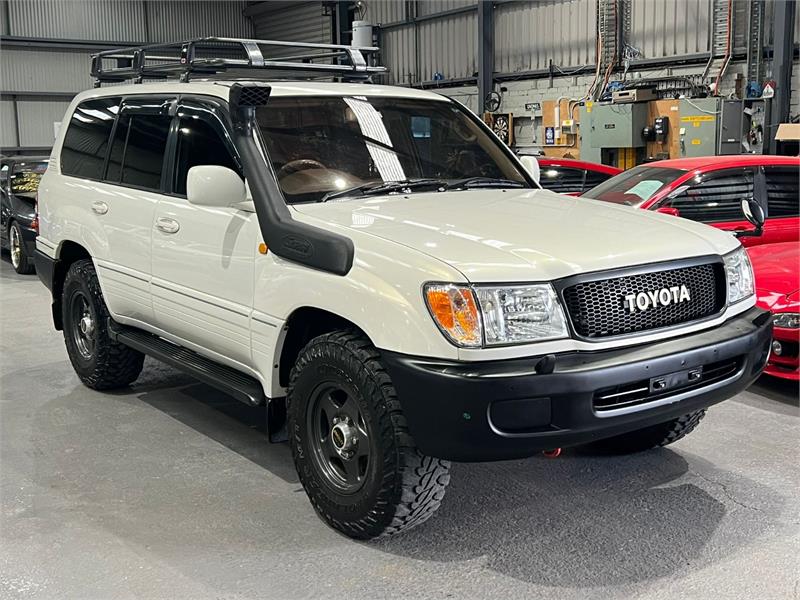
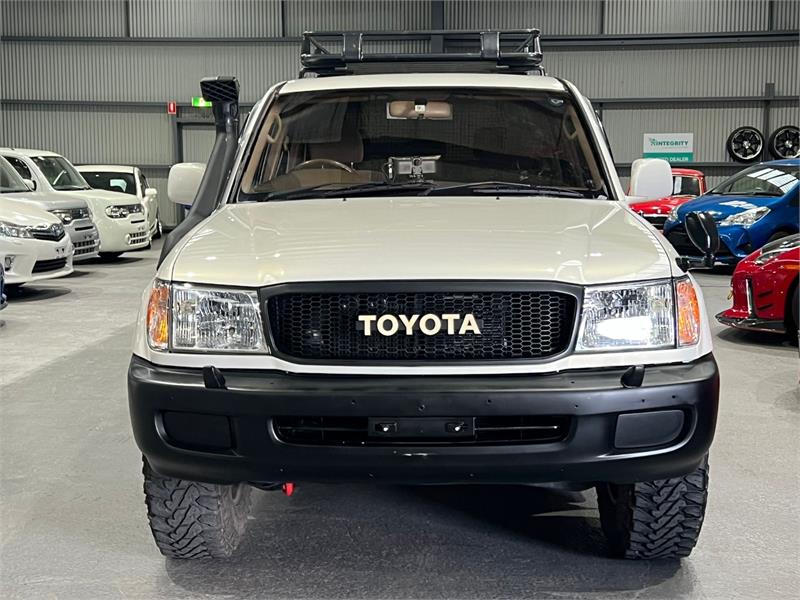
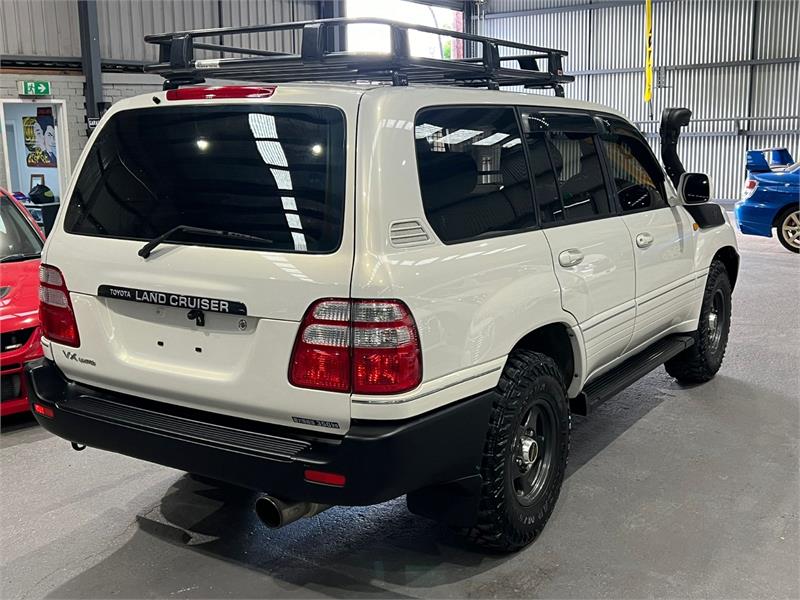
This guide walks through the full import and compliance process using a Toyota LandCruiser as the example – a vehicle that frequently comes through our facility under the 25-year pathway.
Step 1: Purchasing the Vehicle in Japan
The process starts with sourcing and purchasing the vehicle. For 25-year-rule imports, we typically source through Japanese domestic market auctions, which provide detailed condition reports and auction grade ratings.
Key checks at this stage:
- Build date verified against the chassis number (not just the listed registration year) – see our build date guide
- Auction grade reviewed (Grade 4 or above preferred)
- Condition diagram checked for rust, damage, or prior repairs
- Recall status confirmed using manufacturer lookup tool
- Modification status assessed – standard specification is preferable
- Any outstanding issues flagged and repair cost estimated before purchase
For a LandCruiser under the 25-year rule, particular attention goes to the undercarriage and chassis condition. These vehicles are often used for off-road applications and can accumulate damage that doesn’t always appear prominently on an auction sheet. High-resolution photos of the underneath are worth requesting.
Step 2: Applying for the Vehicle Import Approval (VIA)
Before you can import a 25-year-old vehicle to Australia, a Vehicle Import Approval (VIA) must be granted through the ROVER portal. For the 25-year (Concessional RAV) pathway, the application requires:
- Vehicle make, model, year
- VIN/chassis number
- Photos of the vehicle
- Photos of the VIN/chassis number on the vehicle
- Confirmation that the vehicle is 25 years old or more based on build date
The application is submitted through ROVER, and assessed within 30 business days (approximately 4–6 weeks). New ROVER accounts require verification first – allow up to 5 business days for an individual account to be verified; business/company accounts may vary.
Timing note: do not ship the vehicle before the VIA is granted. The vehicle must not arrive in Australia before the VIA is in place.
Step 3: Shipping the Vehicle
Once the VIA is received, the next step to import a 25-year-old vehicle to Australia is shipping and booked onto a vessel. A RoRo (roll-on/roll-off) carrier is typically used for vehicles going to Australian ports from Japan.
Average transit time from Japan to Melbourne (Port of Melbourne) is approximately 2–4 weeks depending on the shipping route and vessel schedule. During transit, the vehicle must be adequately secured. For 4WD vehicles, this is standard practice.
Documentation accompanying the shipment:
- Supplier invoice
- Export certificate from Japan
- VIA approval documentation
- Bill of lading
Step 4: Customs Clearance and Port Release
Once you import a 25-year-old vehicle to Australia, on arrival at the Port of Melbourne, the vehicle goes through Australian Border Force (ABF) customs clearance. At this stage, the vehicle may be inspected for:
- Biosecurity compliance – vehicles must be cleaned of all soil, plant matter, and organic material before shipping. Any contamination will be cleaned at the importer’s cost, with delays to release.
- Asbestos inspection – this is a critical step for vehicles 25+ years old.
Asbestos Testing for Older Vehicles
Anyone looking to import a 25-year-old vehicle to Australia from before 1999 needs to plan for asbestos testing. Many pre-1999 vehicles used asbestos-containing materials in components such as:
- Brake pads and brake shoes
- Clutch linings
- Gaskets (engine, exhaust, cylinder head)
- Seals
Australia prohibits the importation of asbestos-containing products. For older vehicles, the importer is responsible for ensuring the vehicle is asbestos-free before shipping. This means:
- Having any suspect components (brake pads, clutch, gaskets) replaced with non-asbestos alternatives before export from Japan, or
- Having the vehicle tested by a NATA-accredited laboratory and obtaining documentation confirming it is asbestos-free
Border Force may inspect vehicles on arrival and request asbestos testing documentation. If a vehicle is found to contain asbestos-containing components, it will be detained until the components are removed and replaced. This is significantly more expensive and time-consuming when it happens in Australia rather than Japan.
The practical approach: before shipping any vehicle from the pre-1999 era, have brake pads, clutch, and gaskets replaced with known asbestos-free parts in Japan. This eliminates the risk entirely.
Step 5: VASS (Vehicle Assessment Signatory Scheme) / Engineering
Once cleared from the port, the next stage to import a 25-year-old vehicle to Australia is the vehicle goes to a Registered Automotive Workshop (RAW) for engineering assessment under the VASS – the Victorian framework for certifying vehicle compliance.
The process:
- The vehicle is inspected and detailed photographs are sent to the engineer
- The engineer reviews the vehicle against applicable ADRs and sends a list of required rectification work
- The workshop completes the required work
- The engineer re-assesses and signs off on compliance
For a 25-year-old LandCruiser, common assessment items include:
- Airbag system check (older vehicles may not have airbags – this is assessed against applicable ADRs for the vehicle’s age)
- Lighting compliance (headlight standards, indicator placement)
- Seatbelt condition and anchorage assessment
- Any modifications noted on the auction sheet reviewed and assessed
- Tyre compliance
- General roadworthiness items
25-year-old vehicles typically face a more extensive compliance checklist than newer SEVS vehicles, simply because age brings wear and potential for non-compliant modifications over the vehicle’s history in Japan.
Note on club vs. standard registration: depending on the vehicle’s age and intended use, there may be a choice between standard (full) registration and historic/club registration in Victoria. Club registration has usage restrictions but typically costs less annually. For a LandCruiser being used as a daily driver, standard registration makes sense. For a vehicle used primarily for club activities and limited private use, club registration may be more appropriate.
Step 6: Roadworthy Certificate (RWC)
Following engineering compliance, anyone looking to import a 25-year-old vehicle to Australia will need a current Roadworthy Certificate (RWC) before it can be registered in Victoria. The RWC is issued by a licensed tester and checks that the vehicle meets roadworthy standards – brakes, steering, tyres, lights, body, and more.
For 25-year-old vehicles, expect a more thorough RWC inspection than for a newer vehicle. Wear-related items that might be overlooked on a 5-year-old car become more relevant on a vehicle of this age. Common RWC items for older 4WDs:
- Suspension bushings and joints
- Brake components
- Tyre condition and age
- Steering play
- Exhaust condition
It’s prudent to address any known issues before presenting the vehicle for RWC rather than discovering them at the inspection.
Step 7: Registration
With the compliance plate fitted, RWC obtained, and VIA in hand, the vehicle is presented for VicRoads registration. For a standard registration outcome, the vehicle receives Victorian number plates and is registered as any other vehicle would be.
Club (historical) registration: for vehicles eligible for club registration (generally 25+ years old and used for club activities and limited private use), registration can be obtained through an approved car club. The vehicle receives a club registration permit rather than standard plates.
For the full eligibility breakdown, see our due diligence guide
Timeline Summary
Here’s the realistic timeline to import a 25-year-old vehicle to Australia, start to finish.
| Stage | Typical Duration |
| Sourcing and purchase in Japan | 1–4 weeks (depending on search) |
| VIA application and approval | 4–6 weeks (30 business days) |
| Shipping (Japan to Melbourne) | 2–4 weeks |
| Customs clearance | 3–7 business days |
| Engineering assessment and rectification | 2–6 weeks (depending on work required) |
| RWC | 1–3 days |
| Registration | 1–3 days |
| Total (typical) | 3–5 months end-to-end |
Frequently Asked Questions
Do all 25-year-old vehicles need asbestos testing?
Any vehicle manufactured before 1999 carries a risk of asbestos-containing components. The practical advice is to replace high-risk components (brake pads, clutch, gaskets) with confirmed non-asbestos parts in Japan before shipping. Testing in Australia is an alternative but adds cost and potential delay.
Does a 25-year-old car need airbags to pass compliance?
Not necessarily. The compliance requirements are assessed against the ADRs applicable at the time of the vehicle’s manufacture. A vehicle manufactured before airbag ADRs came into effect isn’t required to be retrofitted. The engineer will confirm applicable requirements for the specific vehicle.
What’s the difference between VASS and RWC?
When you import a 25-year-old vehicle to Australia, VASS (Vehicle Assessment Signatory Scheme) is the engineering certification that confirms the imported vehicle complies with applicable ADRs. RWC (Roadworthy Certificate) confirms the vehicle is roadworthy for registration. Both are required – they test different things.
Should I get standard registration or club registration?
It depends on how you plan to use the vehicle. Standard registration allows full daily use. Club (historical) registration has use restrictions – typically limited to club activities, touring, and private use on a limited basis – but costs less annually. Your engineer can advise based on the vehicle’s age and your intended use.
What’s the biggest unexpected cost in this process?
For older 4WDs, rectification work during the engineering phase is the most variable cost. Vehicles with unknown modification history, wear items, or pre-existing issues require more work. A thorough pre-purchase inspection – and a realistic budget for compliance rectification – avoids surprises.
Want Us to Handle It?
Garage Apex manages the complete import process for 25-year-rule vehicles – sourcing, VIA, shipping, customs, VASS engineering, RWC, and registration. If you’re looking at a specific LandCruiser, HiAce, or other classic Japanese vehicle, and If you’re ready to import a 25-year-old vehicle to Australia get in touch and we’ll walk through what’s involved.
*Garage Apex – 54 Miller Street, Epping VIC 3076 | 1300 112 220 | VicRoads approved, ISO9001 certified*