


What It Means to Import a Test Car to Australia?
If you need to import a test car to Australia, it’s because a vehicle model isn’t yet on the SEVS register, or its model report needs updating.
When a vehicle model isn’t yet on the Australian SEVS register, or when the existing model report needs to be updated (for example, to cover new build year ranges), a test car must be imported for engineering assessment.
The test car is the physical vehicle that an approved engineer (a Vehicle Assessment Signatory Scheme engineer) uses to test the model against applicable Australian Design Rules (ADRs), produce the compliance instructions, and submit the model report for approval by the Department of Infrastructure.
Without a test car going through this process, a new model report cannot be created, and the vehicle cannot be imported for sale or private use under SEVS.
This is a specialist process with a specific import pathway separate from a standard VIA. Here’s how it works.
Step 1: The Model Must Have a SEVS Entry First
Before you can import a test car to Australia, the vehicle model (not the specific vehicle) must have a SEVS (Specialist and Enthusiast Vehicle Scheme) entry on the register. The SEVS entry establishes that the model meets SEVS eligibility criteria – that it is a specialist or enthusiast vehicle not otherwise available in Australia.
If the model doesn’t have a SEVS entry, the first step is applying for one. This is done by a RAW (Registered Automotive Workshop) or engineer working with the Department of Infrastructure.
A SEVS entry without a corresponding model report means the model is acknowledged as eligible, but the specific compliance instructions haven’t yet been documented. The test car import is what produces those instructions.
Step 2: The Engineer Applies for a Test VIA
Once a SEVS entry exists for the model, the engineer applies for a test Vehicle Import Approval (VIA) through the ROVER portal. This is a specific approval type distinct from a standard VIA – it authorises the importation of the vehicle for the purpose of engineering assessment and model report development.
Documentation required for a test VIA:
- Photos of the vehicle (exterior, interior, chassis/VIN)
- Supplier invoice – the purchase documentation from the seller
- Confirmation of the applicable SEVS entry
The application is assessed through the same ROVER portal as standard VIAs, and is subject to the same assessment timeframe – typically 2–3 weeks, with a 4-week maximum.
Step 3: Shipping the Vehicle
Once the test VIA is approved, the next stage to import a test car to Australia is for the vehicle to be shipped from Japan (or wherever it’s being sourced) to Australia. Standard shipping logistics apply – RoRo carrier, transit time of approximately 2–4 weeks from Japan to Melbourne, customs clearance on arrival.
Biosecurity and customs requirements are the same as for any other import. The vehicle must arrive clean, and any asbestos-risk components should have been replaced before export if the vehicle is of the relevant age.
Step 4: The Engineer Assesses the Vehicle and Creates the Model Report
This is the substantive stage of the process to import a test car to Australia. Once the vehicle is in Australia and cleared, the engineer takes possession of it for assessment.
The engineer:
- Inspects the vehicle in detail against the applicable ADRs
- Identifies what modifications or adjustments are required to bring a standard example of this model into compliance
- Documents these as detailed Work Instructions
- Tests that the instructions are achievable and produce a compliant vehicle
- Prepares the Model Report for submission
The Model Report is a comprehensive document. It details:
- The vehicle’s specifications
- The applicable ADRs
- The specific Work Instructions for the RAW performing compliance
- Required components and part numbers
- Testing and verification procedures
Timeframe for model report development: typically 2–4 weeks, depending on the model’s complexity and the extent of modifications required. More complex vehicles with multiple ADR issues take longer.
Step 5: Waiting for Model Report Approval
The final hurdle to import a test car to Australia is waiting for Department of Infrastructure approval of the Model Report. Once the engineer submits the Model Report, it goes to the Department of Infrastructure for review and approval.
There is no mandated timeframe for model report approval. This is a key difference from the VIA process (which has a 30-business-day maximum). Model report review times vary depending on the department’s workload and the report’s complexity.
In practice, model report approvals can take anywhere from a few weeks to several months. Engineers and RAWs who work regularly with the department and produce well-prepared, detailed reports are likely to see faster turnaround. First-time submissions, complex models, or reports requiring additional information will take longer.
This is the most unpredictable stage in the test car process, and importers planning to bring in multiple vehicles of a new model should factor a significant buffer into their timeline.
Step 6: Once the Model Report Is Approved
Once you successfully import a test car to Australia and the model report is approved, the SEVS register is updated to reflect that an active model report exists for the vehicle. From this point:
- Regular VIAs can be applied for – other importers can now apply for standard VIAs to import this model through the ROVER portal
- Compliance can proceed – the test car itself (and all subsequent vehicles of this model) can be complied by a RAW following the approved Work Instructions
- RWC and registration – following compliance, the standard roadworthy and registration process applies
The test car that went through assessment is typically complied and registered as part of this process – the engineer’s own assessment example, or the first vehicle complied under the new model report.
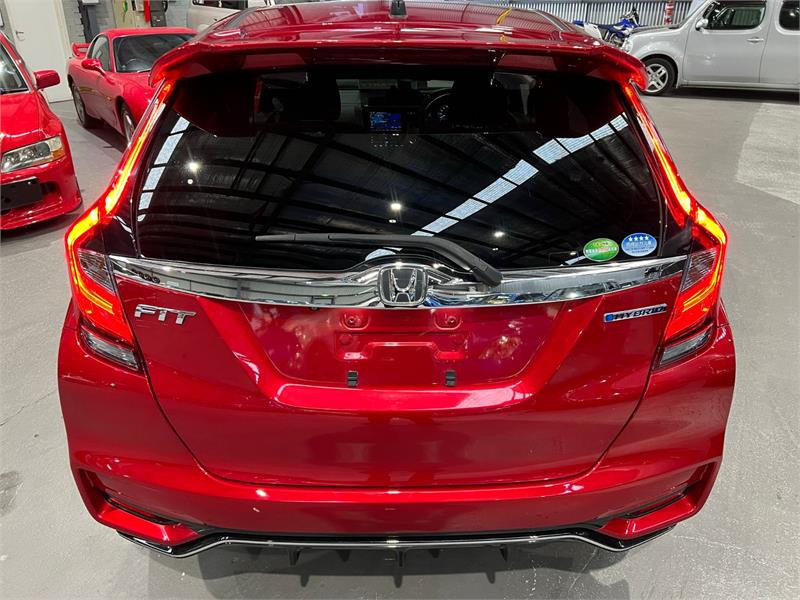
Full Timeline for a Test Car Import
Here’s the realistic timeline to import a test car to Australia, from SEVS entry through to registration.
| Stage | Typical Duration |
| SEVS entry confirmed/obtained | Variable (weeks to months if new entry needed) |
| Test VIA application | 2–4 weeks |
| Shipping (Japan to Melbourne) | 2–4 weeks |
| Customs clearance | 3–7 business days |
| Engineer assessment and model report preparation | 2–4 weeks |
| Department review and model report approval | Weeks to months (no mandated timeframe) |
| Compliance of test car (once approved) | 2–4 weeks |
| RWC and registration | 1–2 weeks |
| Total end-to-end | 4–10+ months |
The total timeline is highly variable. The model report approval stage introduces the most uncertainty. Importers planning to bring in new models for the first time should treat the timeline as a minimum of 4 months and plan for longer.
Who Can Import a Test Car?
Importing a test car to Australia isn’t typically managed by individual buyers – this is specialist territory.
The test VIA is applied for by the engineer, and the assessment is conducted by an approved vehicle assessor under the VASS framework. A RAW typically coordinates the process. Individual importers don’t typically manage test car imports directly – this is specialist territory.
If you’re interested in getting a new model added to the SEVS register, the conversation starts with a RAW and an engineer who works with the SEVS scheme.
Frequently Asked Questions
What’s the difference between a test VIA and a regular VIA?
A test VIA authorises importation of a specific vehicle for the purpose of engineering assessment and model report development. A regular VIA authorises importation of a vehicle for sale or private use. they’re applied for through the same ROVER portal used whenever you import a test car to Australia.
Does the test car need to be the exact specification that will be listed in the model report?
Yes. The test vehicle must be representative of the production specification intended to be covered by the model report. Significant deviations in specification could require separate testing.
Can a model report cover multiple years and configurations?
Yes – model reports typically define a build year range and may cover specific configurations (e.g., particular engine and transmission combinations). The SEVS listing will reflect the scope of what the approved model report covers.
Can I import a vehicle of a model that’s being tested while the report is pending?
No – this is a key rule when you import a test car to Australia. A VIA cannot be approved for a vehicle under a SEVS entry that has no active model report. Standard imports must wait for the model report to be approved before their VIA application can proceed.
What happens to the test car after assessment?
Once the model report is approved, the test car is typically complied by the RAW and either registered for the engineer’s use or sold. It goes through the full compliance, RWC, and registration process like any other import.
Questions About a Specific Model?
If you’re planning to import a test car to Australia for a new model or If you’re wondering whether a particular model has an active SEVS entry and model report, whether it’s currently being tested – contact the Garage Apex team.
We stay current on what’s on the register and what’s in progress.
*Garage Apex – 54 Miller Street, Epping VIC 3076 | 1300 112 220 | VicRoads approved, ISO9001 certified*