


Why Some Japanese Imports Hold Their Value Better Than Others
Not every Japanese import holds its value the same way. Some models will sell in days; others sit for months. The difference usually comes down to three things: scarcity, demand, and whether the vehicle does something no locally available model does.
If you’re importing to sell – or simply want to know your car will be easy to move when the time comes – understanding the current market is worth doing before you commit to a purchase.
High-Demand Categories in Australia Right Now
Performance and Enthusiast Vehicles
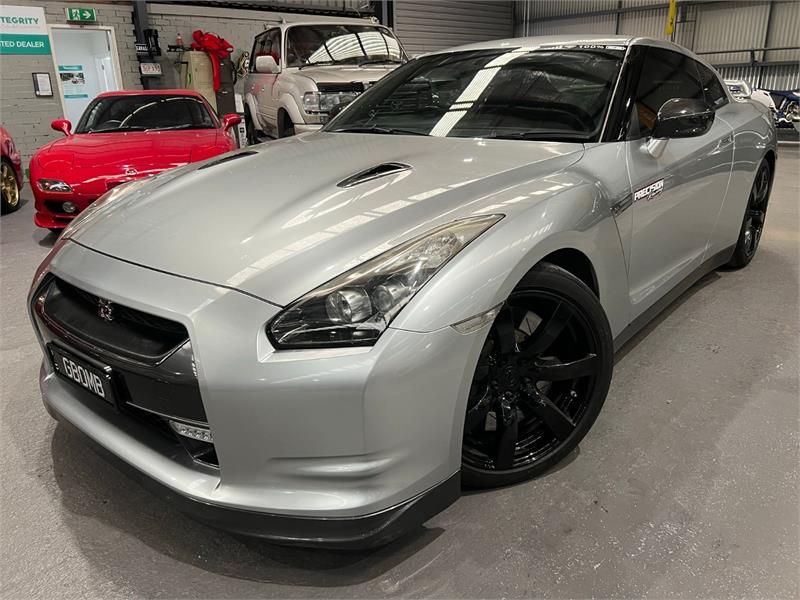
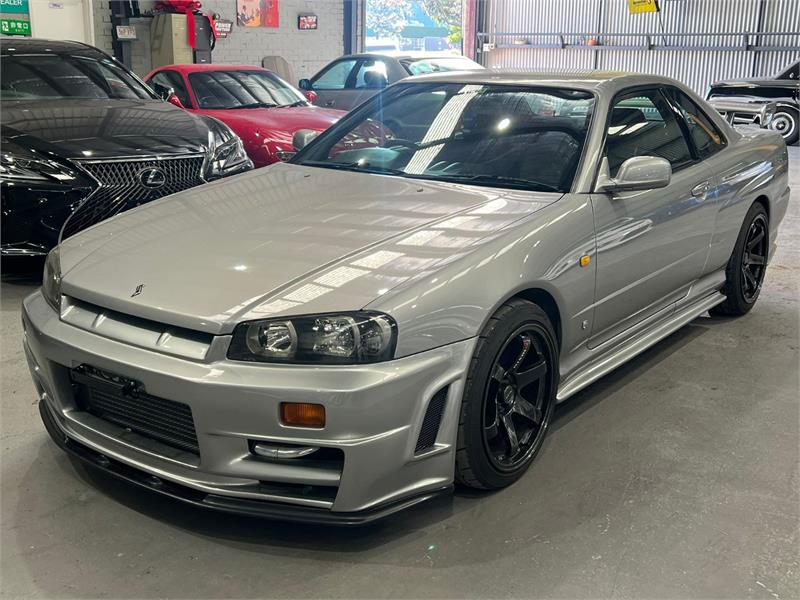
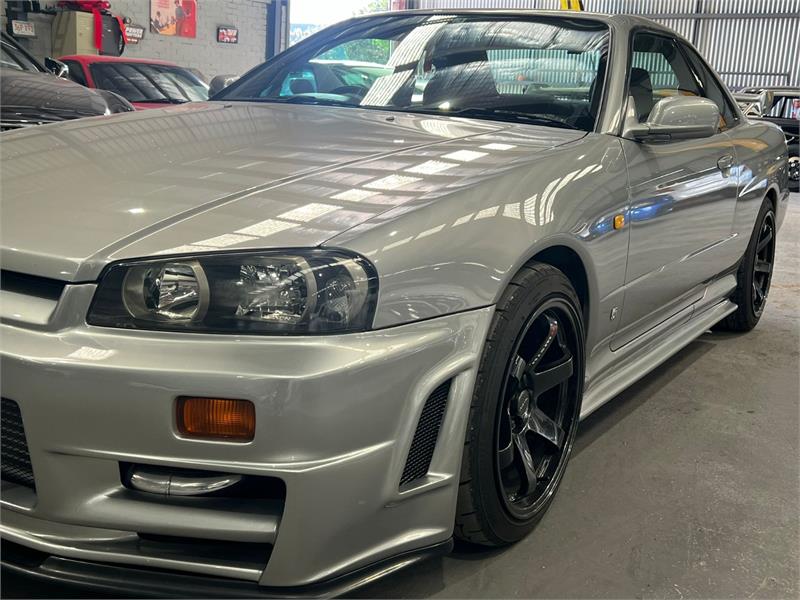
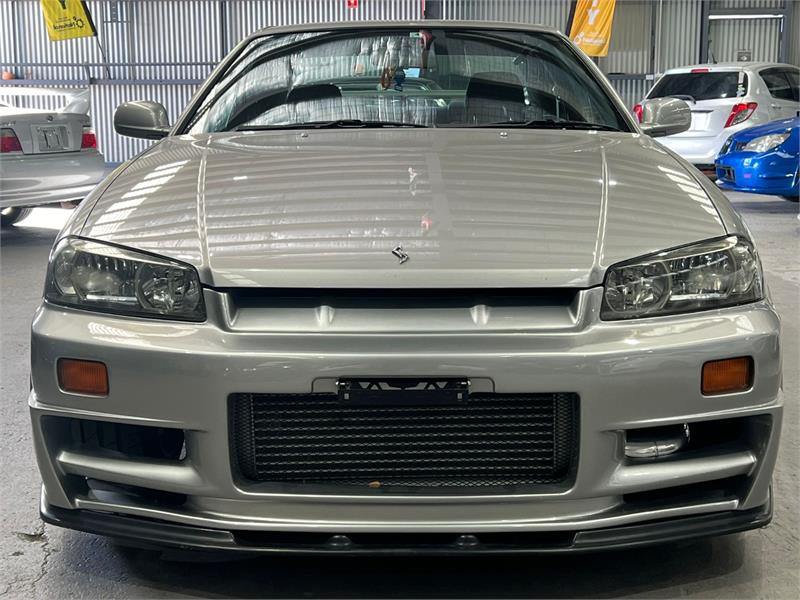
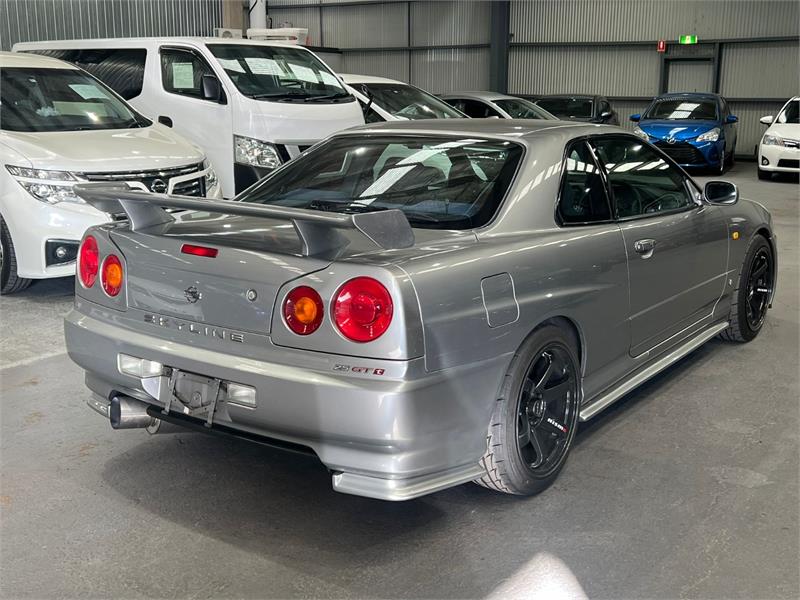
Nissan Skyline R34 GT-R
The R34 GT-R has crossed from enthusiast vehicle into genuine collector territory. A standard example in good condition currently commands well over AU$200,000 in the Australian market, with V-Spec, V-Spec II, and Nür variants pushing AU$300,000-$500,000 or more depending on condition and provenance. A low-mileage V-Spec sold at Australian auction in late 2024 for AU$365,000. Values have remained robust through 2024 and 2025, and show no signs of declining.
If you’re looking at an R34 as an investment, provenance matters enormously. Unmolested, original cars in standard specification consistently outperform modified examples. Colour also plays a role – Bayside Blue and Midnight Purple II carry premiums.
Toyota Supra MkIV (JZA80)
The JZA80 Supra – particularly twin-turbo variants – has seen dramatic appreciation over the past decade. Clean, unmodified examples with lower kilometres now attract strong Australian interest, with premium examples changing hands for AU$100,000 or more. Like the R34, condition and originality are critical.
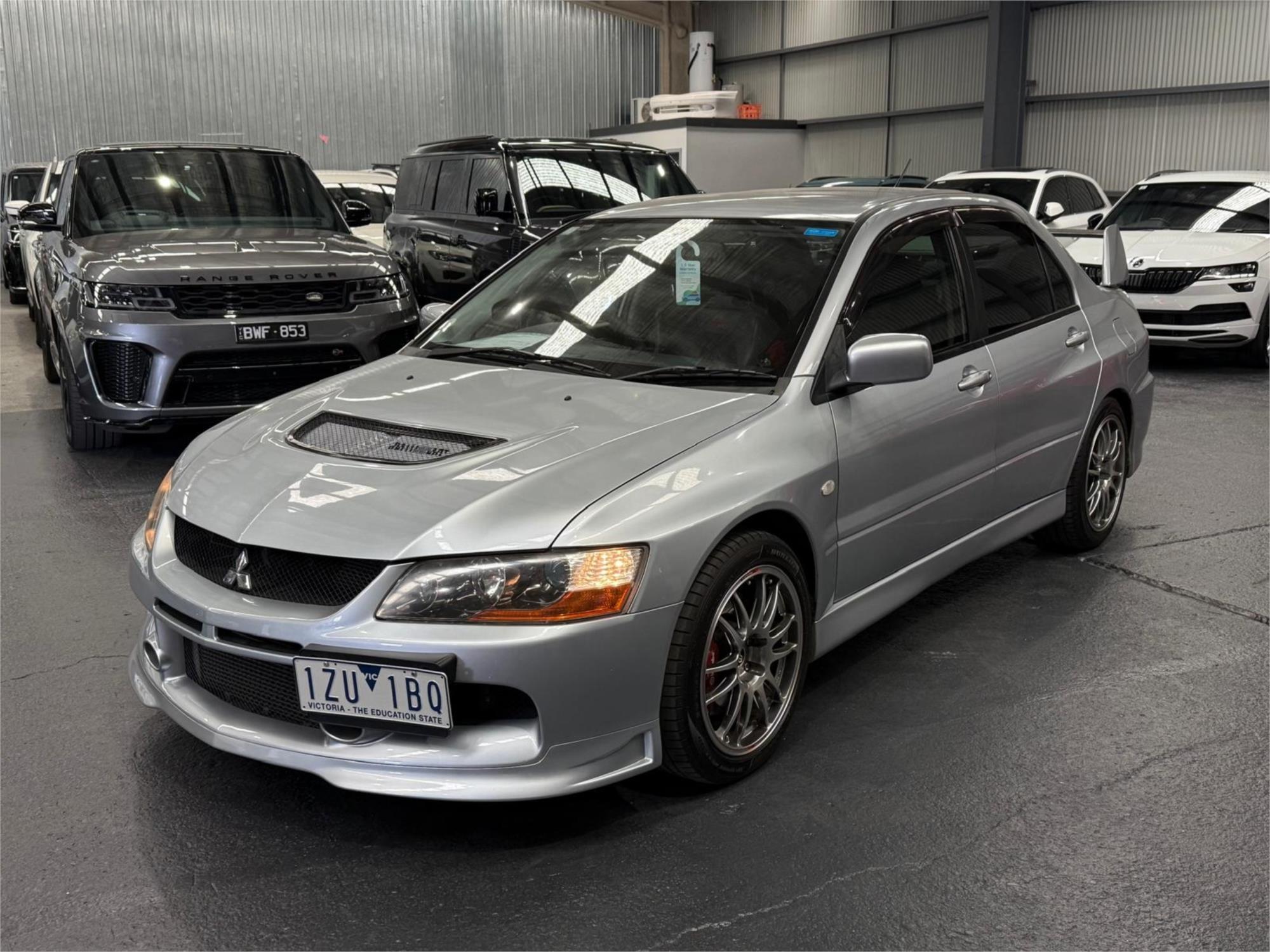
Mitsubishi Lancer Evolution (Evo VI-IX)
The Evolution series continues to hold demand from both buyers and collectors. Evo VI Tommi Mäkinen editions and later GSR variants attract consistent interest. Supply of clean, unmodified examples is tightening.
Practical and Family Vehicles
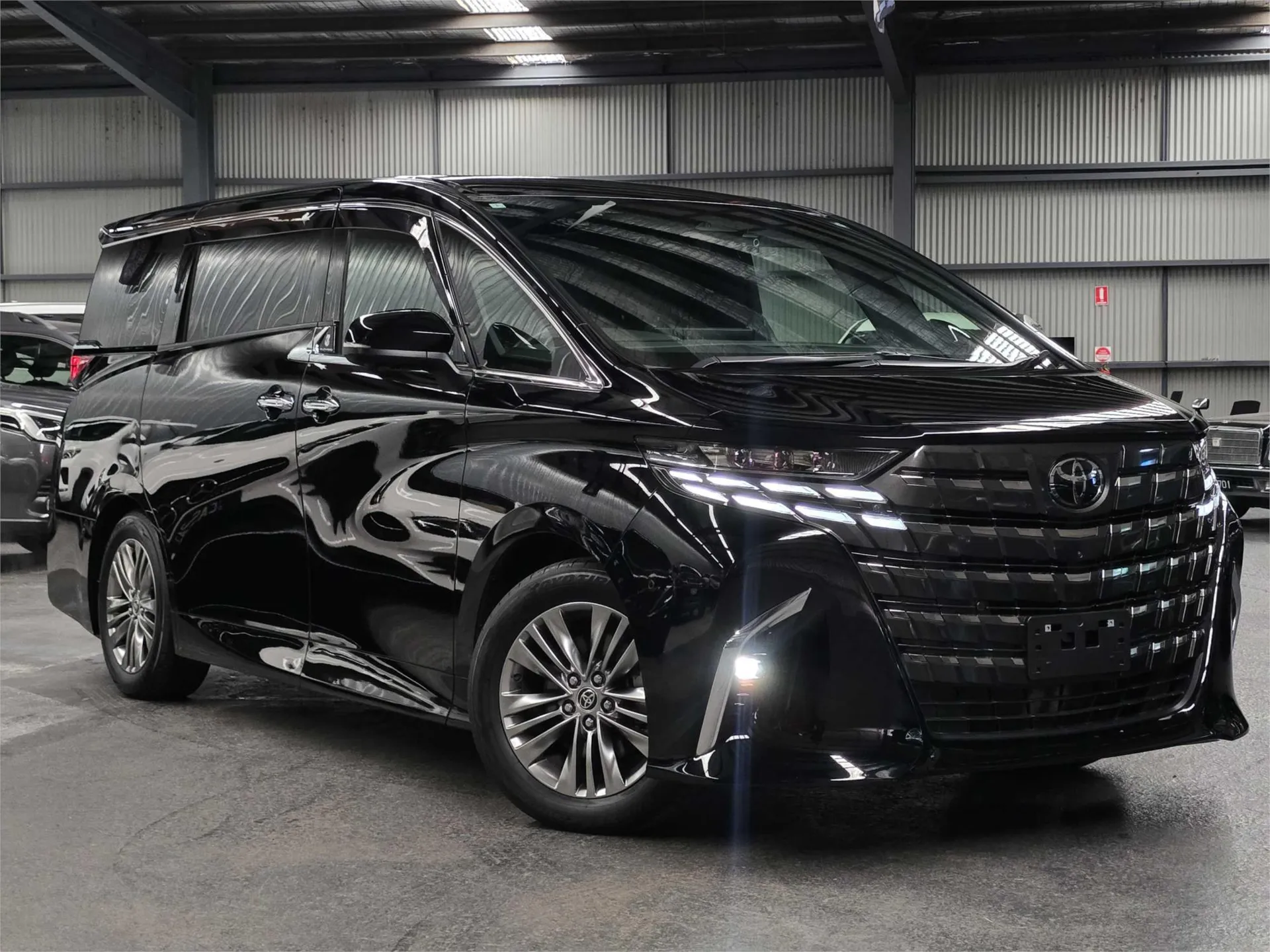
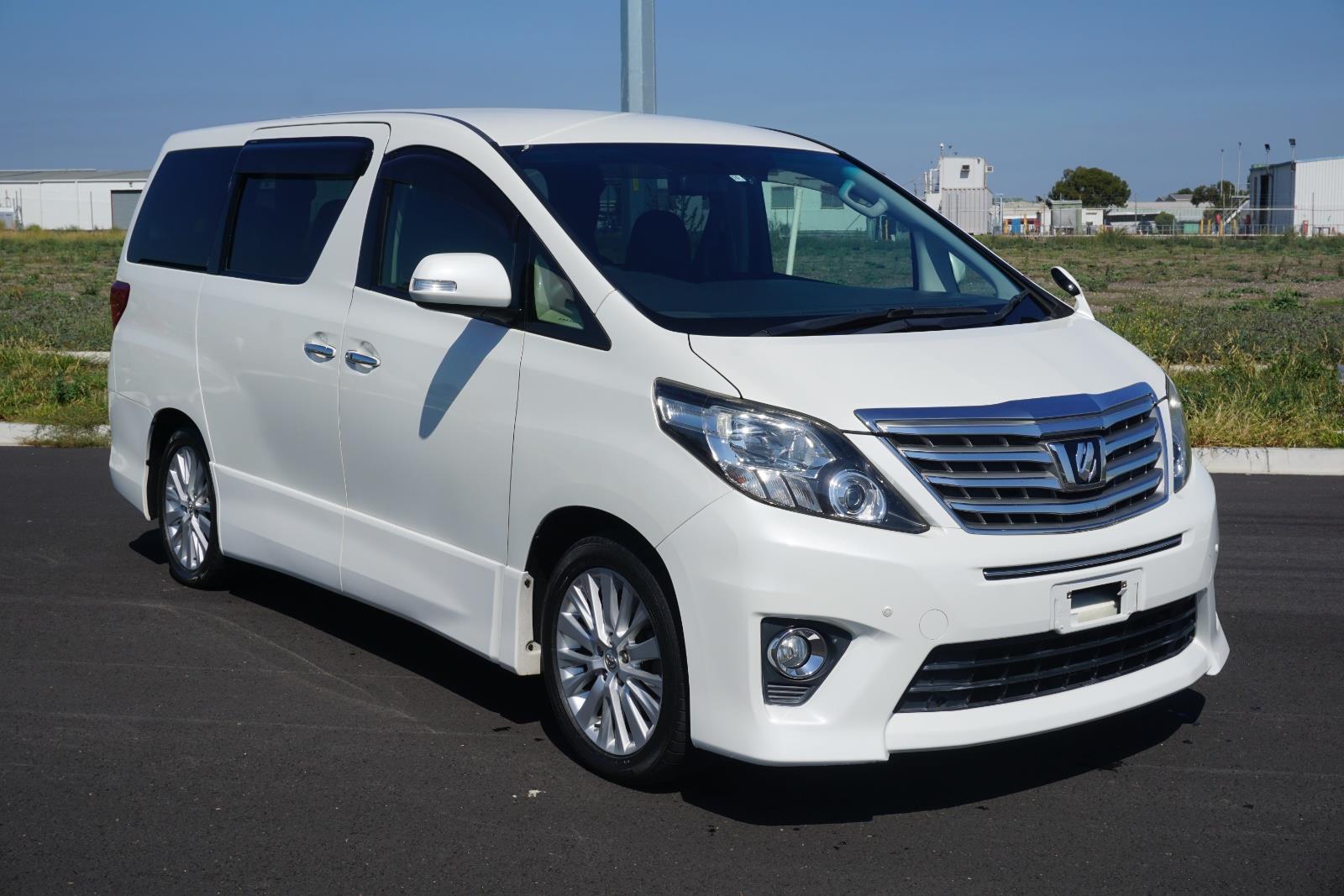
Toyota Alphard
The Alphard is arguably the most consistently in-demand Japanese grey import across all categories. It fills a segment that no manufacturer currently serves in Australia – a large, premium people-mover with genuine luxury features. A recent Alphard can cost well in excess of AU$130,000 to privately import, but strong buyer demand means they don’t sit.
Toyota Vellfire
The sibling to the Alphard, the Vellfire attracts buyers who want a similar package with a slightly sportier exterior. Demand tracks closely with the Alphard.
Mitsubishi Delica D:5
The Delica D:5 is a 4WD minivan with no direct equivalent in the local market. It’s popular with families who need genuine all-terrain capability without sacrificing passenger capacity. Scarcity of local alternatives keeps demand steady.
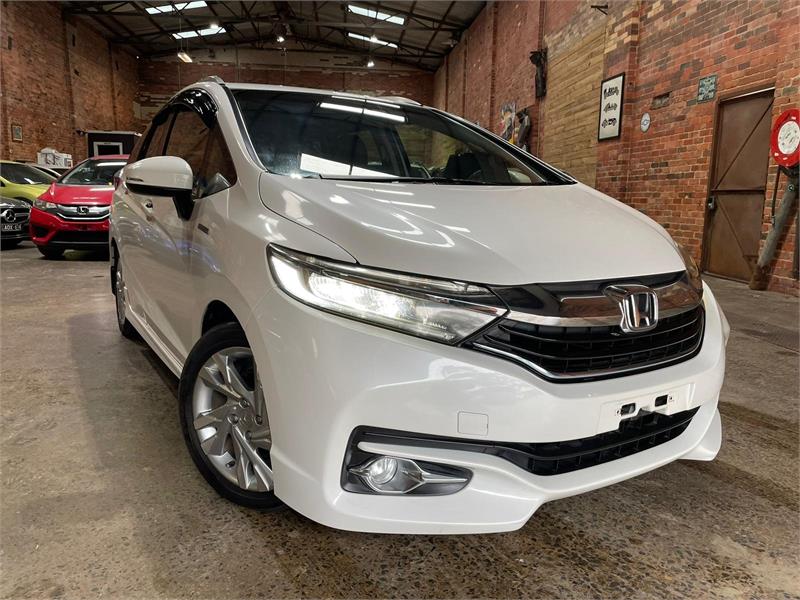
Honda Odyssey (JDM variants)
JDM Honda Odyssey variants offer features and trim levels not available in the locally sold model. For family buyers who have done their research, a well-presented example is a quick sell.
Work and Trade Vehicles
Toyota HiAce (200 Series)
The HiAce remains one of the most popular commercial vehicle imports. Japanese examples often present in excellent condition relative to equivalent Australian-market vehicles of the same age, with lower kilometres and evidence of regular servicing. Demand from tradies, small businesses, and campervan conversion builders is consistent year-round.
Isuzu and Toyota light commercial variants
Certain commercial specifications sold in Japan – higher GVMs, different body styles – don’t appear in the Australian catalogue. These attract niche but reliable demand from specific trade sectors.
What Makes a Model Sell Quickly
Scarcity locally. The best-selling Japanese imports are models that do something no current new car can do – either because they’re discontinued, never sold here, or the Japanese variant offers something the local equivalent doesn’t.
Recognisable model. Vehicles with strong brand recognition or a following sell faster and at better prices. The Alphard, R34, Supra, and Delica all have communities of buyers already looking for them. An obscure kei van doesn’t.
Clean condition and known history. Japanese domestic market vehicles are generally well-maintained, but condition variation still exists. Auction grade matters. Service history matters. The difference between a Grade 4 and Grade 3.5 at auction affects your eventual sale price.
Unmodified. For enthusiast vehicles in particular, originality commands a premium. Heavily modified cars narrow the buyer pool significantly
A Note on Investment Imports
Some buyers import specific vehicles with the primary goal of capital appreciation. The R34 GT-R and JZA80 Supra are the most cited examples. While both have demonstrated strong appreciation, a few cautions apply:
- Not all examples appreciate equally. Condition, provenance, mileage, and specification all determine individual vehicle performance. A standard, high-kilometre example does not track the same as a low-mileage, original car.
- Holding costs are real. Storage, insurance, and maintenance add up over time, which affects actual return.
- Import and compliance costs are upfront. The cost of freight, import approval, compliance, RWC, and registration must be factored into your total acquisition cost.
- There are no guarantees. The collector car market moves with sentiment, regulation changes, and generational demand. Past appreciation doesn’t predict future performance.
That said, the combination of limited global supply, growing enthusiast demand, and the specific scarcity of certain JDM variants in Australia means the strongest examples of the right models have held value well.
Frequently Asked Questions
Which Japanese import sells the fastest in Australia?
Alphard, Vellfire, and Delica D:5 consistently move quickly due to a lack of local equivalents. Among performance cars, R34 GT-Rs attract immediate interest but require buyers with significant budgets.
Is the R34 GT-R a good investment?
Objectively, the R34 GT-R has shown strong and sustained appreciation. However, entry prices are now substantial, and the best returns have generally been captured by those who bought a decade ago. New buyers need to factor in full acquisition costs and hold periods.
Do modified Japanese imports sell for more or less?
Generally less, particularly for performance vehicles where collectors prefer originality. There are exceptions – tasteful period-correct modifications by reputable shops – but in most cases, standard specification commands a premium.
What condition grade should I look for at Japanese auction?
Auction grades of 4 and above are considered good quality. Grade 4.5 and 5 represent excellent to near-mint condition. For resale, aim for 4 or above – anything below 3.5 will require repair costs that eat into your margin.
Are there models that are easy to import but hard to sell?
Highly unusual body styles, left-hand drive conversions, kei vehicles, and models without an Australian following can be slow to sell. Know your buyer before you buy.
Sourcing the Right Vehicle
At Garage Apex, we have direct access to Japanese auction markets and can source specific models, grades, and specifications on your behalf. If you’re looking to import a Japanese import for resale or want to understand current market conditions on a particular model, talk to our team.
*Garage Apex – 54 Miller Street, Epping VIC 3076 | 1300 112 220 | VicRoads approved, ISO9001 certified*