

Electric Vehicles and the Import Opportunity
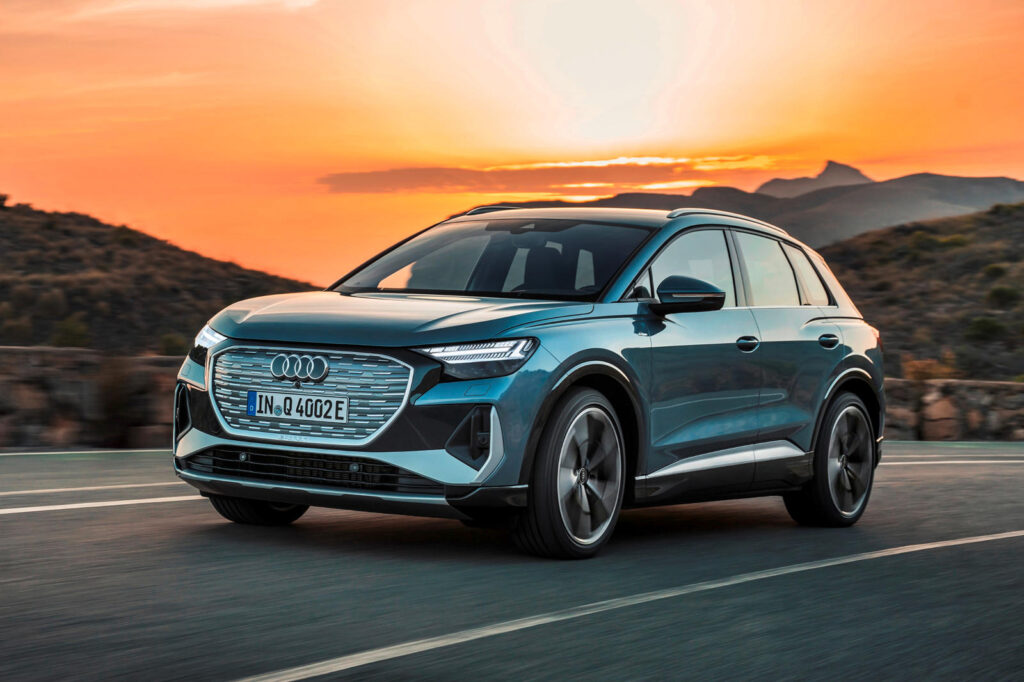
Electric vehicles offer a genuinely compelling case for import into Australia. Running costs are substantially lower than petrol equivalents, environmental credentials are improving, and some EV models available in Japan and Europe offer specifications, features, or configurations not available through Australian dealers.
The opportunity is real. But there’s a layer of complexity that doesn’t apply to petrol or diesel imports -one that, if you don’t check it before purchasing, can result in your vehicle being stranded in a port waiting for a freight company willing to take it.
This guide covers the key considerations before you buy an EV for import.
The Core Issue: Not All Shipping Companies Carry EVs
Lithium-ion battery packs, the kind that power all modern electric vehicles are classified as Class 9 Dangerous Goods under Australian and international transport regulations. They present a specific fire risk in enclosed shipping environments, particularly when damaged, in a degraded state, or charged above recommended levels.
The result: not every shipping company accepts electric vehicles. Some RoRo (roll-on/roll-off) carriers have blanket restrictions on EVs. Others accept them under strict conditions. Some will carry them in containers but not on open car decks.
The critical step: before you commit to purchasing an EV for import, confirm with your freight forwarder that they have a carrier who will accept it on the route you need. Do this before you pay, not after.
The 2026 State of Charge Rule
From 1 January 2026, a new requirement affects the shipping of lithium-ion batteries -including those in electric vehicles.
Under updated regulations, EVs with a battery capacity exceeding 100 Wh (which covers effectively all full-size electric vehicles) must be transported at a maximum 30% State of Charge (SoC). This applies across sea and air freight.
For a vehicle being prepared for export from Japan or Europe, this means the battery must be partially discharged to 30% before loading. Sellers and exporters need to be aware of this requirement and confirm compliance before the vehicle is shipped. If it arrives in Australia with a battery significantly above 30% SoC, it may create issues at the port.
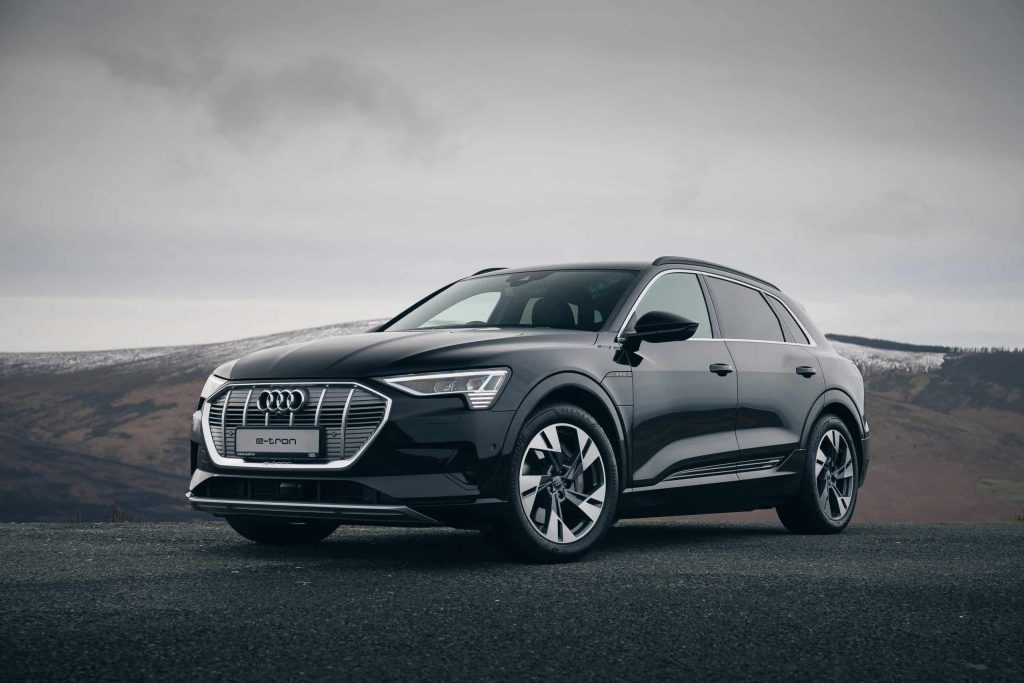
EV Models Currently Importable to Australia
Electric vehicles must still meet all standard import requirements -a valid import approval (VIA) through the ROVER system, and compliance with applicable ADRs. The SEVS register includes some EV and hybrid models.
Some EV examples that have been available for import include:
Toyota Proace Electric
A commercial van available in Europe in fully electric configuration. Useful for businesses seeking electric delivery or trade vehicles. Compliance requirements apply.
Peugeot e-Traveller
A 7–9 seat electric people-mover from France. Offers significant passenger capacity with zero tailpipe emissions. Not sold new in Australia, which supports SEVS eligibility for specialist applications.
Vauxhall Combo Electric (Opel Combo-e)
A compact electric van. Available in Europe and relevant for smaller commercial operations.
Note: Eligibility for each of these models must be verified at the time of import. SEVS register entries and build range cutoffs change. Always confirm current SEVS listing and build date eligibility before purchasing.
Australian Compliance Considerations for EVs
Electric vehicles face the same compliance process as any other import -engineering assessment by a Registered Automotive Workshop (RAW), RWC, and state registration. However, there are some EV-specific elements:
High-voltage system inspection. The battery pack, wiring, and high-voltage components will be assessed during compliance. Any damage or degradation may require rectification.
Charging compatibility. Japan and Europe use different charging standards and plug types to Australia. A CHAdeMO-equipped Japanese EV may not be compatible with Australia’s CCS charging infrastructure without an adaptor or conversion. This affects practicality if fast charging is important to you.
Battery condition and range. EV batteries degrade over time and charge cycles. Verify the battery state of health before purchasing. Japanese auction sheets may not always include detailed battery health data -request it specifically, or use a specialist inspection service.
ADR compliance. Australia’s road vehicle standards (ADRs) apply to imported EVs as to any other vehicle. The compliance engineer will confirm what modifications, if any, are required.
Practical Checklist Before Purchasing an EV for Import
- Confirm freight availability. Contact your freight forwarder and confirm a carrier will accept the vehicle on your required route before you buy.
- Check SEVS eligibility. Verify the vehicle appears on the SEVS register with a current, in-range model report -or that it meets the 25-year rule criteria if applicable.
- Get a battery health report. Ask for a battery state of health assessment from the seller or a pre-export inspection company.
- Understand the charging standard. Confirm whether the vehicle uses CHAdeMO, CCS, or another standard, and what adaptors are available in Australia.
- Check the State of Charge requirement. Confirm with your exporter that the vehicle will be prepared to ≤30% SoC before shipping, as required from January 2026.
- Factor in compliance costs. EV compliance can carry additional costs compared to conventional vehicles. Get a firm quote from your compliance workshop before committing. 25 years old or older and qualifies for the Concessional RAV pathway
Frequently Asked Questions
Can I import any electric vehicle to Australia?
Not any -the vehicle must have an applicable import pathway (SEVS model report or 25-year eligibility) and a freight company willing to carry it. Some EV models have neither, which makes import impractical.
Why won’t some shipping companies carry EVs?
Lithium battery packs are classified as Class 9 Dangerous Goods. In an enclosed shipping environment, a battery fire is extremely difficult to extinguish and poses serious risk to the vessel and crew. Many carriers have specific restrictions or accept EVs only under controlled conditions.
Does the 30% State of Charge rule apply to hybrid vehicles?
The 30% SoC requirement specifically covers batteries above 100 Wh. Full battery electric vehicles clearly fall within this. Plug-in hybrids with larger battery packs (typically 8–25 kWh) also fall within the rule. Conventional mild hybrids with small, self-charging battery packs may not -but this should be confirmed with your freight forwarder.
Is charging infrastructure a problem for imported EVs?
It can be. Japan’s EV market uses CHAdeMO as the primary DC fast charging standard; Australia has predominantly moved to CCS2. A CHAdeMO-equipped import will have limited fast-charging options without an adaptor. This doesn’t affect standard AC home charging, which is more standardised.
Can imported EVs receive government incentives in Australia?
State and federal EV incentives (rebates, stamp duty exemptions) typically apply to new vehicles purchased through Australian dealers. Imported second-hand EVs generally don’t qualify -but check current state policies, as these change.
Thinking About Importing an EV?
If you’re considering an electric vehicle import and want to understand whether your target model is importable, shippable, and compliant, the Garage Apex team can help map out the pathway. Contact us before you purchase.
*Garage Apex – 54 Miller Street, Epping VIC 3076 | 1300 112 220 | VicRoads approved, ISO9001 certified*