

What Is the 25-Year Rule?
Australia’s 25-year car import rule, formally known as the Concessional RAV Entry Approval pathway – allows vehicles that are at least 25 years old to be imported with simplified compliance requirements compared to the standard SEVS process.
As of 2026, any vehicle manufactured in 2001 or earlier is eligible under this pathway.
It was introduced to give motoring enthusiasts, collectors, and everyday drivers access to a wider range of classic, collectible, and specialist vehicles that were never officially sold in Australia. If you’ve been eyeing an R33 Skyline, a 70 Series LandCruiser variant, or an older-generation Hiace that’s simply no longer available new, the 25-year car import rule is likely your cleanest import pathway.
Why the 25-Year Rule Is Often the Better Option
Compared to the SEVS (Specialist and Enthusiast Vehicle Scheme) pathway, the 25-year car import rule offers a few clear advantages:
1. Broader eligibility
SEVS requires the specific vehicle to have an approved model report and appear on the SEVS register. Under the 25-year car import rule, any vehicle that meets the age threshold can qualify – there’s no model report required and no need for the vehicle to appear on any register.
2. Simpler compliance process
25-year-old vehicles face reduced compliance obligations. Rather than full ADR (Australian Design Rules) compliance, the vehicle goes through a streamlined engineering assessment. This typically means lower compliance costs and faster turnaround.
3. Potential investment value
Many vehicles eligible under the 25-year car import rule carry genuine collector appeal. Certain models – including the R33 GT-R, JZA80 Supra, and various limited-production Japanese variants – have demonstrated strong appreciation in value over time. While no vehicle purchase is a guaranteed investment, the scarcity of genuine examples and growing demand from enthusiasts has supported rising prices across several JDM segments.
4. More options to choose from
Once a model year crosses the 25-year threshold, the full production run of that model becomes eligible – not just specific variants or configurations. That opens up significantly more choice than SEVS, where availability depends on which specific models have been assessed and approved.
Requirements: What You Need to Qualify
To qualify under the 25-year car import rule, your vehicle must meet the following requirements.
Age
Your vehicle must have been manufactured more than 25 years ago. Australia uses the build date, not the first registration date. If you’re importing in 2026, the vehicle must have a confirmed build date of 2001 or earlier. For how to verify this, see our guide on checking build dates.
Application Through ROVER
All concessional RAV entry approval applications must be submitted through the ROVER system – the Department of Infrastructure’s online portal. You’ll need to create an account before applying.
Your application will need:
- Vehicle make, model, and year
- VIN or chassis number
- Photos of the vehicle and VIN/chassis number
- Details of any significant modifications, and when those modifications were made (if applicable)
Applications are assessed within 30 business days.
Compliance Plating
Once in Australia, the vehicle must pass a compliance inspection conducted by a Registered Automotive Workshop (RAW). This involves an engineering assessment and, where required, modifications to meet applicable standards. A roadworthy certificate (RWC) is required before registration.
If you’re bringing in a performance model like an R33 GT-R with future modifications in mind, it’s worth understanding where the compliance line sits before you buy parts, Tuned by Apex’s guide to ECU tuning law in Victoria covers what’s legal, what’s grey, and what gets you defected under the same VASS framework.
State registration
Receiving a concessional RAV entry approval doesn’t automatically mean the vehicle can be registered. Each state and territory sets its own registration rules. In Victoria, for example, vehicles may be eligible for standard registration or club/historic registration depending on their age, condition, and intended use.
The 30-Year Threshold: Import Duty Exemption
Here’s a detail many importers overlook: vehicles that are 30 years old or older are exempt from Australian import duty under Schedule 4, Item 36 of the Customs Tariff Act 1995.
For a vehicle imported in 2026, this means anything built in 1996 or earlier attracts no import duty.
Important caveats:
- GST (10%) still applies to the total taxable value of the vehicle, regardless of age.
- Luxury Car Tax (LCT) applies if the vehicle’s value exceeds the LCT threshold – currently $76,950 for fuel-efficient vehicles and $69,152 for others (2025-26 thresholds). This is separate from import duty and still applies to 30+ year old vehicles.
- All vehicles still require a valid ROVER import approval regardless of duty-free status.
So while a 30-year-old vehicle saves on import duty, the other taxes and costs of compliance, freight, and registration still apply. The net saving is real – but it’s one line item in a broader cost picture.
What Kinds of Vehicles Are People Importing?
Under the 25-year car import rule, we see strong interest in:
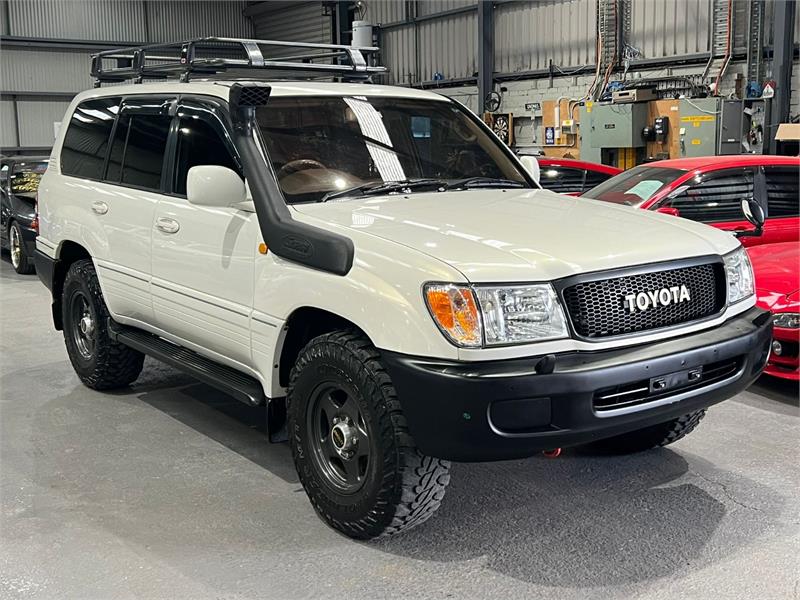
- Toyota LandCruiser variants – particularly 70 and 80 Series configurations not available in the Australian market
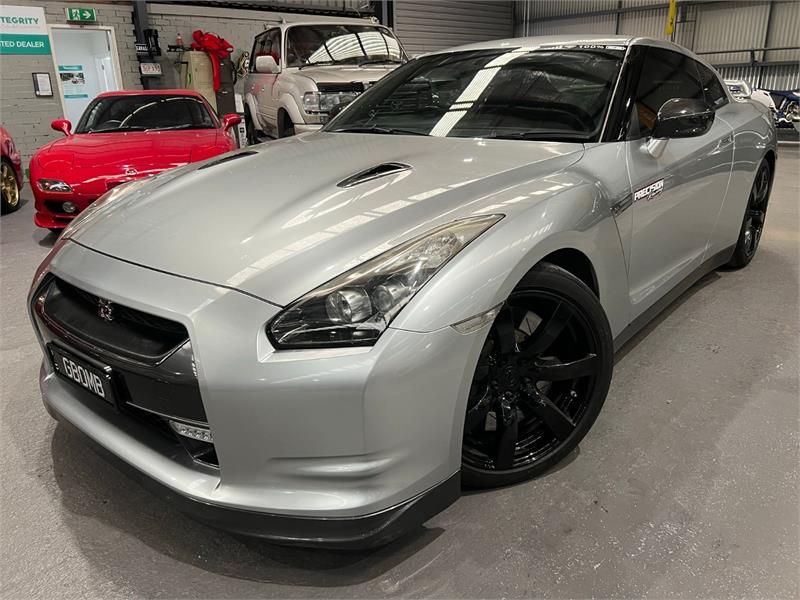
- Nissan Skyline R33 GT-R (25 years as of 2023, now well within the window)
- Mitsubishi Delica – 4WD van models with cult following in Australia
- Mazda RX-7 FD (Series 8) – final production years now crossing the 25-year mark
- Sports and performance variants that were never officially sold here
The vehicles that make the most sense are those where the Australian-market equivalent is no longer available new, where the Japanese variant has features or specifications not offered locally, or where the model has a strong resale history.
Club Registration vs Standard Registration
For vehicles approaching or over 30 years of age, club registration can be a cost-effective alternative to full registration – particularly if the vehicle is used for hobby purposes rather than daily driving.
In Victoria, the eligibility criteria and conditions for club registration differ from standard registration. The vehicle must be used for club activities and limited private use, and you’ll need to be a member of an eligible car club.
If you’re importing a classic with the intention of using it occasionally rather than as an everyday driver, it’s worth discussing both options with your engineer and the relevant registration authority before completing compliance.
Frequently Asked Questions
What year does the 25-year car import rule cover in 2026?
In 2026, the 25-year rule applies to vehicles with a confirmed build date of 2001 or earlier. The threshold moves forward one year each calendar year.
Do I need a model report for a 25-year-old vehicle?
No. Unlike the SEVS pathway, the 25-year rule does not require a model report. Any vehicle meeting the age threshold can be assessed for a concessional RAV entry approval.
Can I import any make or model under the 25-year rule?
Yes – there’s no restriction on make, model, or country of origin, provided the vehicle meets the 25-year age requirement and passes the required compliance inspection once in Australia.
What’s the difference between the 25-year rule and SEVS?
SEVS requires the vehicle to have an approved model report and appear on the SEVS register. It’s typically used for newer vehicles that qualify as specialist or enthusiast vehicles. The 25-year car import rule is simpler than SEVS – age-based eligibility, no model report required.
Do 30-year-old vehicles pay import duty?
No. Vehicles 30 years old or older are exempt from import duty under Australian customs regulations. However, GST and Luxury Car Tax (where applicable) still apply.
How long does the ROVER application take?
The Department of Infrastructure assesses concessional RAV entry approvals within 30 business days. Allow additional time for freight, compliance, and state registration.
Can I drive it on regular registration or does it need to be club rego?
It depends on your state and the vehicle’s age and condition. In Victoria, vehicles over a certain age may be eligible for standard registration, conditional registration, or club/historic registration. Your compliance engineer can advise on the most appropriate pathway.
Talk to Us Before You Buy
The 25-year rule opens up a genuinely exciting range of vehicles, but eligibility hinges on the details – build date verification, compliance costs, and state registration requirements all need to be understood before you commit to a purchase.
At Garage Apex, we handle the full process: sourcing from Japanese auctions, verifying build dates, managing import approvals through ROVER, and completing compliance at our Epping facility. If you’re considering a vehicle under the 25-year car import rule, Get in touch to discuss what you’re looking for.
*Garage Apex – 54 Miller Street, Epping VIC 3076 | 1300 112 220 | VicRoads approved, ISO9001 certified*